 Skip to content

Intrusion Detection Motion Sensors for Businesses in Dallas-Fort Worth
Most break-ins at commercial buildings happen after hours, when no one is around to notice a propped-open door or an unlatched window. Motion detectors catch movement once someone is already inside, long after a perimeter sensor or camera might have missed it.
Commercial motion detectors sense changes in heat, movement, or both inside a space, then signal your control panel the moment something moves where it shouldn’t. For an empty office, server room, or warehouse floor at 2am, that signal is often your first, and only, warning.
Paired with the rest of your intrusion detection system, these sensors add coverage that keeps watching long after the doors are locked for the night.
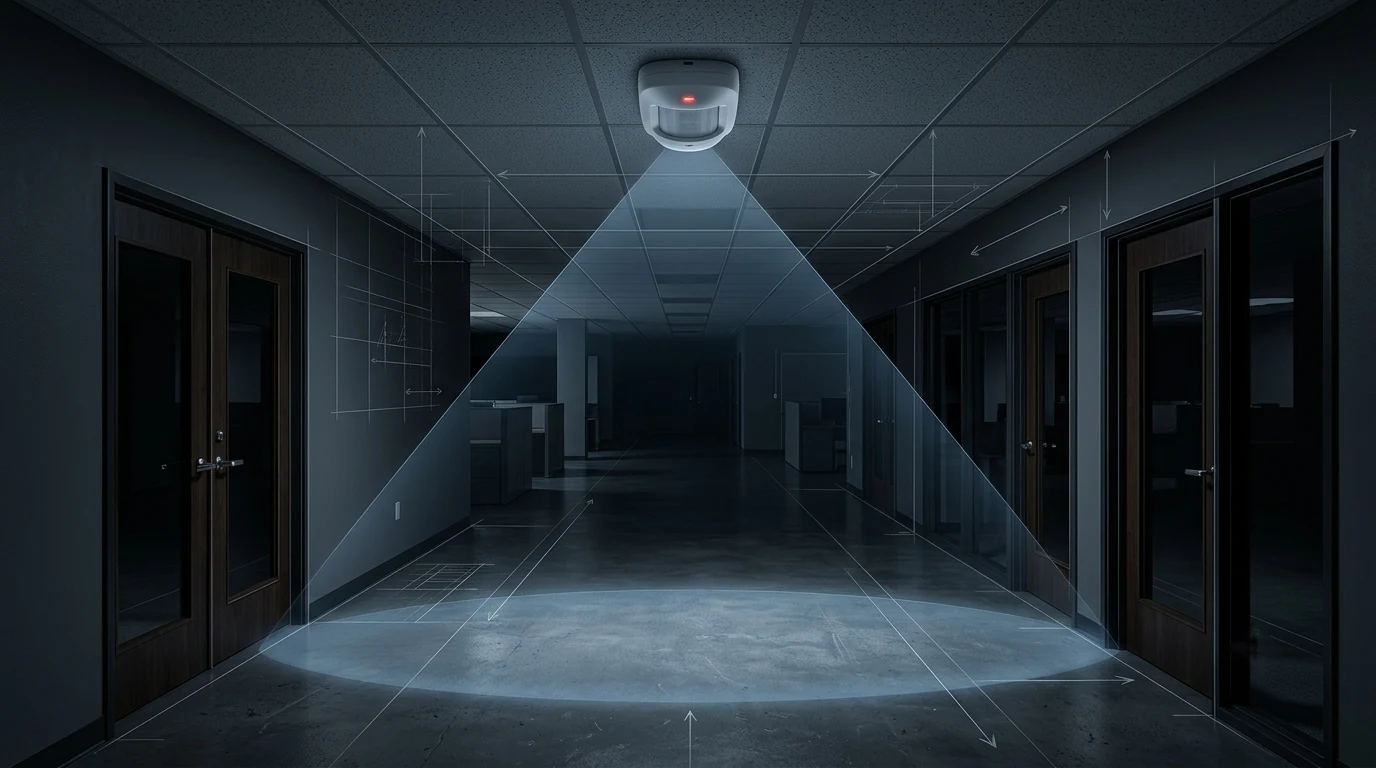
Intrusion Detection Motion Sensors, Summarized
Cobalt FTS installs commercial intrusion detection systems, including motion sensors, for businesses across Dallas and Fort Worth, Texas. We are a state-certified security integrator based in Dallas, Texas, operating since 1998, and we determine sensor selection and placement during a site walkthrough rather than selling a fixed package.

How Commercial Motion Detectors Work
Most commercial motion detectors use one of two technologies, or a combination of both. Passive infrared sensors detect body heat moving across their field of view, while microwave sensors send out a signal and measure changes in how it bounces back.
Dual-technology sensors combine both methods and only trigger an alarm when both detect movement at once. That combination helps reduce false alarms from things like HVAC airflow or sunlight shifting across a room.
Where Motion Sensors Fit in an Intrusion Detection System
A motion detector rarely works alone. It is usually part of a larger system that includes door and window contacts, glass break sensors, and a central control panel that ties everything together.
Intrusion detection motion sensors cover the interior space that door and window contacts cannot. A contact only knows if a door opened, but a motion sensor knows if someone is actually moving through the room beyond it.
That combination matters most in large interior spaces like warehouse floors, server rooms, and storage areas where a single entry point does not tell the whole story.
Wireless Motion Detectors for Existing Systems
Because most motion sensors communicate wirelessly with the control panel, adding them to an existing system usually doesn’t require opening walls or running new cable. We often place new business security motion sensors around an existing panel rather than replacing the whole setup.
That makes motion detectors a practical add-on if you already have cameras or access control in place and want an extra layer of coverage specifically for after-hours movement.

Facilities That Rely on Motion Detection Most
- Facility managers and operations leads at warehouses, distribution centers, offices, and school or healthcare campuses are the ones who usually ask us about motion detection
- The common thread: a building that sits empty for stretches of time, whether overnight, over a holiday, or between shifts
- Most of these installations are in and around Dallas and Fort Worth, Texas, with support for clients across the rest of Texas
- We walk each site to map out which rooms and zones actually need motion coverage, since not every space needs the same level of sensitivity
Add a Layer of Coverage for the Hours No One’s Around
An empty building overnight is still a building worth watching. Contact Cobalt FTS for a free security assessment, and we’ll walk your site to map out where motion coverage makes sense before recommending a single sensor.
FAQs
Which companies install commercial motion detectors in Dallas?
Cobalt FTS installs and supports commercial motion detectors for businesses throughout Dallas and North Texas, handling design, installation, and monitoring setup with our own in-house technicians.
What is the difference between infrared and microwave motion sensors?
Infrared sensors detect body heat moving through a space, while microwave sensors measure changes in a reflected signal, and dual-technology units combine both to cut down on false alarms.
Can I add motion detectors to an intrusion detection system I already have?
In most cases, yes, since motion sensors typically connect wirelessly to your existing control panel without new wiring.
Do motion detectors work well in large open spaces like warehouses?
Coverage depends on ceiling height, layout, and how much open floor space needs to be seen, so we map sensor placement during a site visit rather than guessing at coverage.
Our Solutions


Automated License Plate Reader
Cobalt FTS can provide you with a state-of-the-art intrusion detection system to monitor your assets 24 hours per day. We can help you protect facilities ranging from small business offices to the large warehouse with some of the more complex systems on the market today.

Access Control Card Reader
Cobalt FTS can provide you with a state-of-the-art intrusion detection system to monitor your assets 24 hours per day. We can help you protect facilities ranging from small business offices to the large warehouse with some of the more complex systems on the market today.
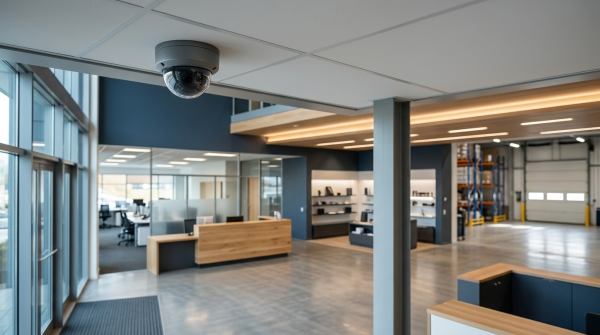
Commercial Dome Surveillance Cameras
Cobalt FTS can provide you with a state-of-the-art intrusion detection system to monitor your assets 24 hours per day. We can help you protect facilities ranging from small business offices to the large warehouse with some of the more complex systems on the market today.
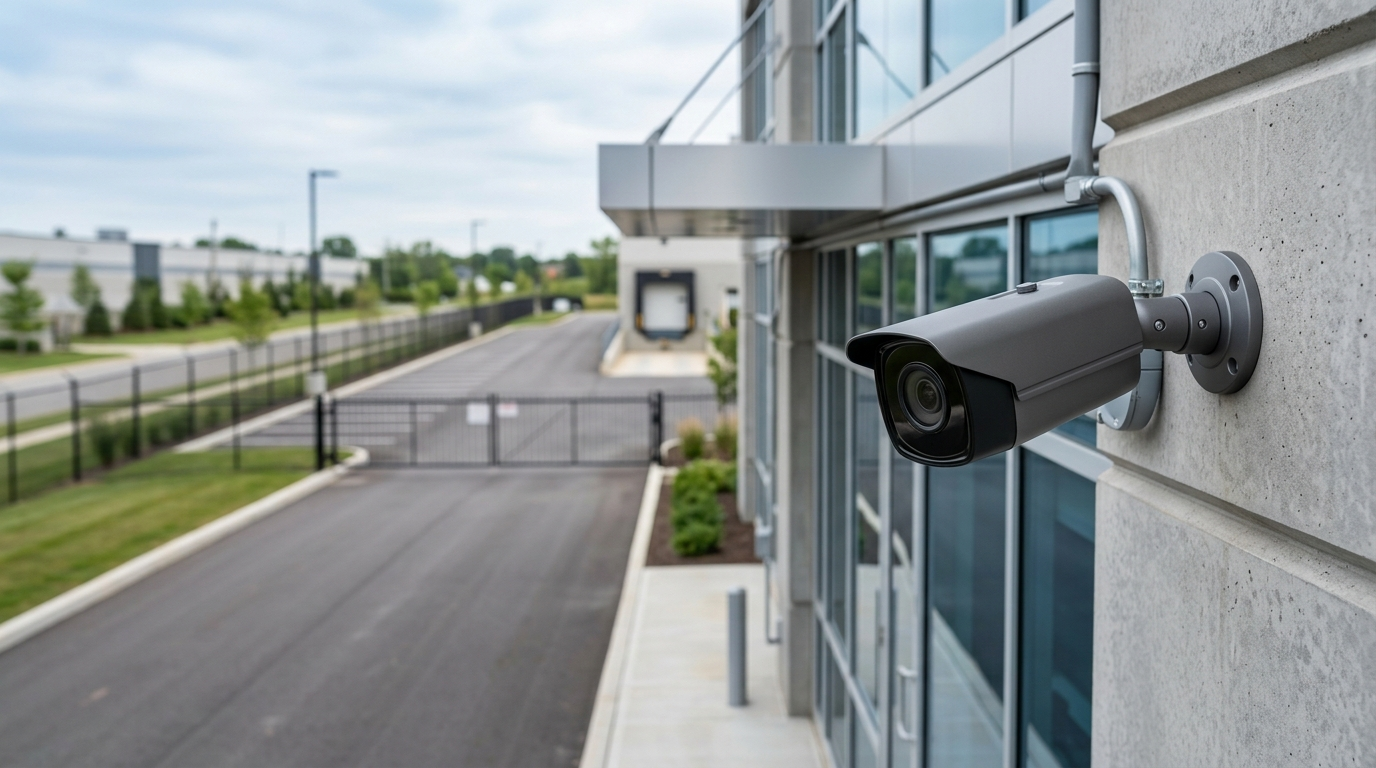
Bullet Security Cameras
Cobalt FTS can provide you with a state-of-the-art intrusion detection system to monitor your assets 24 hours per day. We can help you protect facilities ranging from small business offices to the large warehouse with some of the more complex systems on the market today.
PTZ Security Camera System
Cobalt FTS can provide you with a state-of-the-art intrusion detection system to monitor your assets 24 hours per day. We can help you protect facilities ranging from small business offices to the large warehouse with some of the more complex systems on the market today.
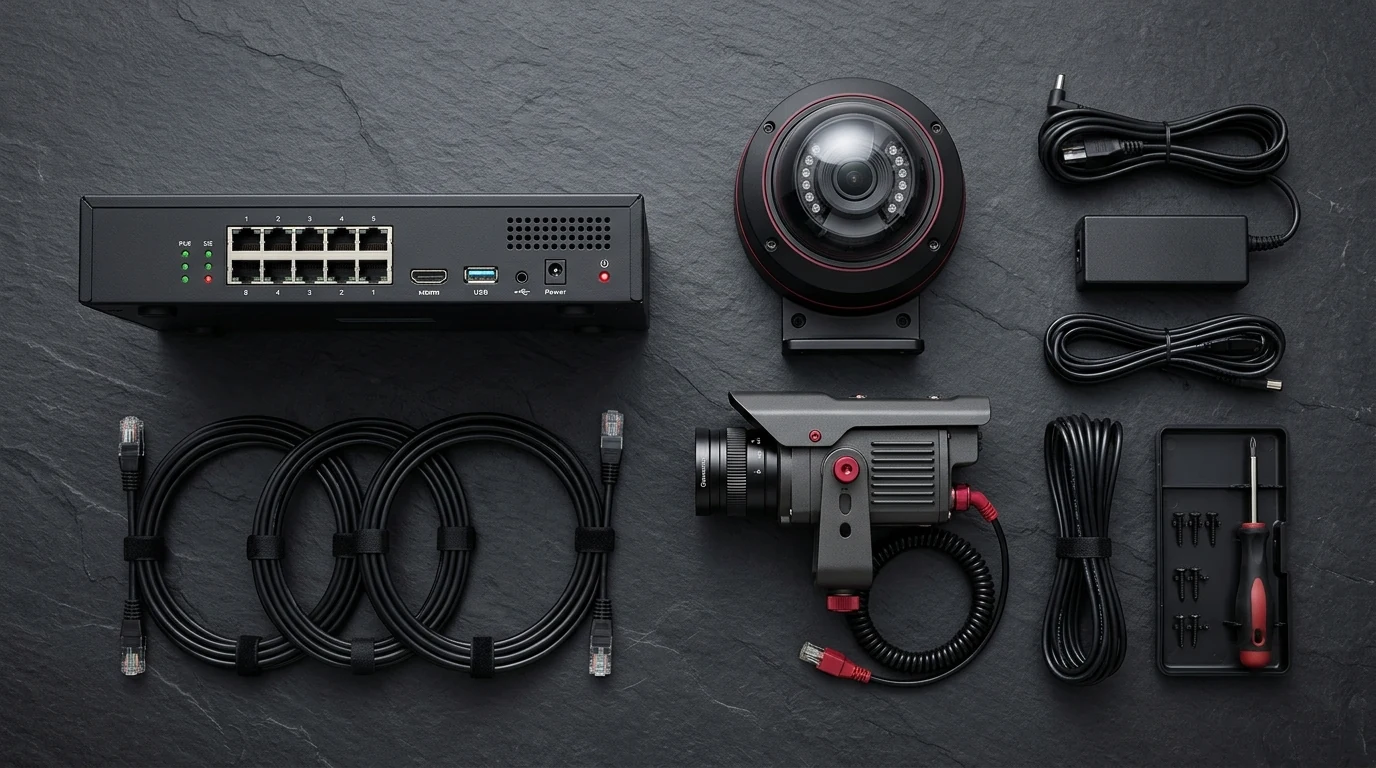
Commercial Security Camera Systems for Every Business
Cobalt FTS can provide you with a state-of-the-art intrusion detection system to monitor your assets 24 hours per day. We can help you protect facilities ranging from small business offices to the large warehouse with some of the more complex systems on the market today.
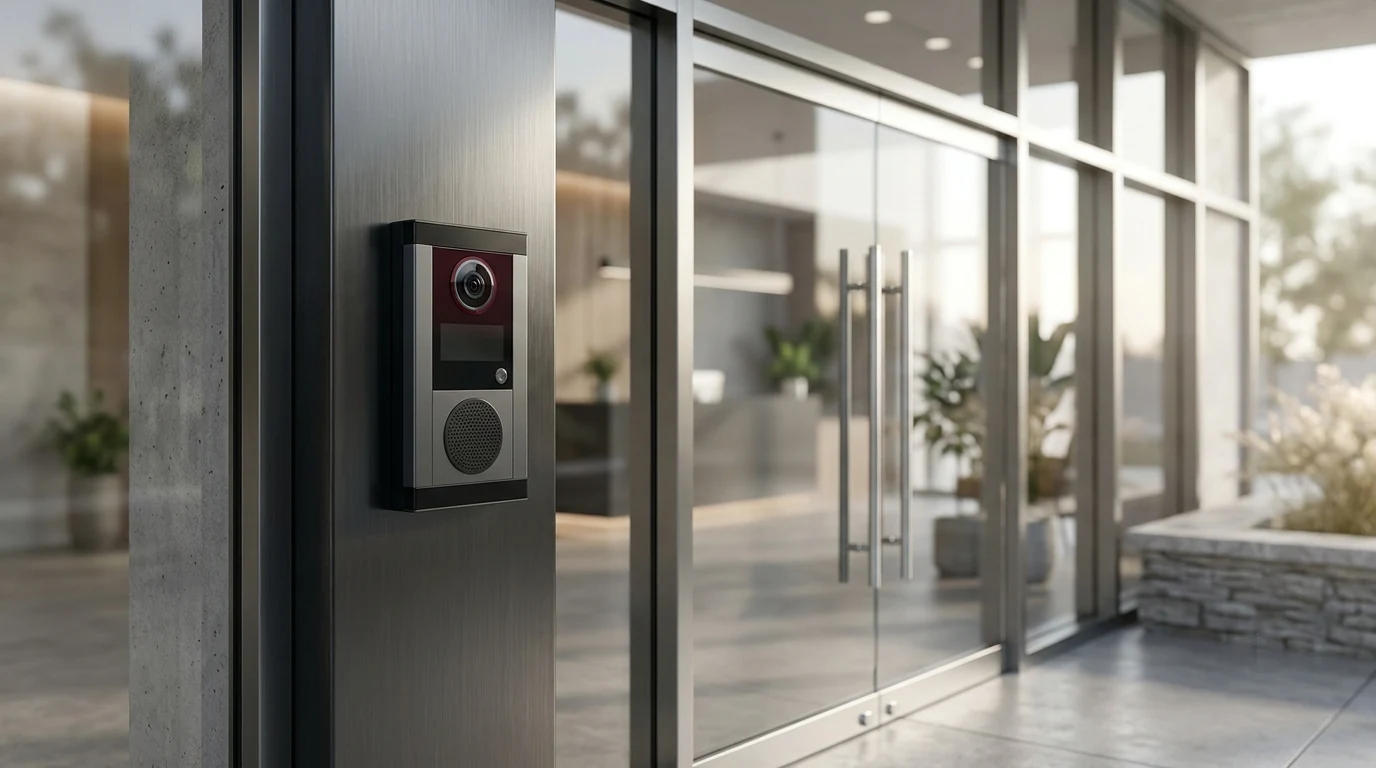
Commercial Intercom Systems for Controlled Entry
Cobalt FTS can provide you with a state-of-the-art intrusion detection system to monitor your assets 24 hours per day. We can help you protect facilities ranging from small business offices to the large warehouse with some of the more complex systems on the market today.
Commercial Motion Detectors
Cobalt FTS can provide you with a state-of-the-art intrusion detection system to monitor your assets 24 hours per day. We can help you protect facilities ranging from small business offices to the large warehouse with some of the more complex systems on the market today.
Multi-Sensor Surveillance Cameras
Cobalt FTS can provide you with a state-of-the-art intrusion detection system to monitor your assets 24 hours per day. We can help you protect facilities ranging from small business offices to the large warehouse with some of the more complex systems on the market today.


Our Services


Intrusion Detection
Security System Installation
Cobalt FTS designs and installs complete commercial security systems from the ground up, including access control, video surveillance, and intrusion detection, so every component works together from day one. Our in-house team handles the full installation, from initial site assessment to final walkthrough.


