Skip to content
How Healthcare Facilities Evaluate Video and CCTV Surveillance Systems for Long-Term Security
June 10, 2026

Outdated security infrastructure leaves critical medical environments vulnerable to undetected physical threats, and the operational cost of that exposure compounds over time. When fragmented camera networks fail to communicate with access control systems, security teams lose the situational awareness needed to respond decisively. Modern video surveillance platforms address this directly by unifying disparate hardware into a cohesive, manageable ecosystem, including legacy CCTV infrastructure still used across many healthcare facilities.
Healthcare security directors and procurement officers increasingly recognize that upgrading these networks is not a capital expense to defer. Visibility across sensitive patient care areas, staff corridors, and entry points is a baseline operational requirement. The evaluation process must account for scalability, integration depth, and long-term vendor support, not just upfront hardware specifications.
People Also Ask
Why Are Video Surveillance Systems Important for Healthcare Facilities?
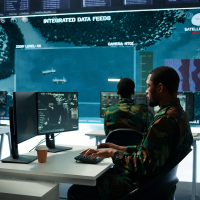
Video surveillance systems help healthcare facilities improve visibility across critical areas, support faster incident investigations, and strengthen overall security operations. Integrated monitoring platforms also help security teams respond more effectively to unauthorized access, safety concerns, and operational disruptions.
How Do Video Surveillance Installation Services Improve Security Projects?
Professional video surveillance installation services help reduce integration risks, support phased deployments, and improve long-term system reliability. Experienced integrators assess facility requirements, address infrastructure challenges, and help ensure surveillance systems perform effectively over time.
Why Healthcare Facilities Upgrade Video Surveillance Systems
Legacy analog CCTV systems consistently underperform in healthcare environments where image clarity, remote visibility, and coverage density are non-negotiable. Blind spots in high-traffic zones create accountability gaps that are difficult to resolve after an incident. Advanced video surveillance systems equipped with intelligent analytics shift the security posture from reactive to proactive, detecting perimeter anomalies before situations escalate.
Integrating access control with visual monitoring is widely recognised as best practice across the industry. When a credential event triggers an automatic camera feed pull, incident response becomes meaningfully faster and more coordinated. Facility managers evaluating platforms should prioritise systems that support bidirectional integration with existing access infrastructure, reducing the risk of siloed data and delayed response. For a deeper breakdown of access control integration strategies, see our guide on converged physical security architecture.
How Video Surveillance Systems Support Healthcare Compliance
Privacy regulations governing healthcare environments impose strict requirements on how surveillance data is stored, accessed, and retained. Modern surveillance platforms used in healthcare facilities should support encrypted transmission, role-based access controls, and audit-ready activity logging to help maintain compliance standards. Facilities that cannot produce clear access records during a compliance review may face increased operational and regulatory risk.
Camera placement strategy is equally important in healthcare environments. Proper positioning helps monitor entrances, waiting areas, pharmacy counters, server rooms, and staff-only corridors without compromising patient privacy. A poorly designed layout can create compliance concerns even when advanced hardware is installed. Procurement teams should request documented placement plans and compliance-focused system designs as part of the evaluation process to ensure the surveillance infrastructure aligns with healthcare operational requirements from the start.
Deploying Video Surveillance Systems via Video Surveillance Installation Services
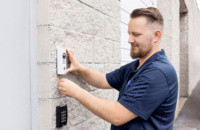
Professional video surveillance installation services help healthcare facilities modernize aging CCTV infrastructure while reducing compatibility risks during migration. Experienced integrators assess existing infrastructure, identify legacy hardware conflicts, and design architectures that support phased deployment without service interruption. Facilities that skip a formal site survey frequently encounter integration failures that extend project timelines and increase total cost.
Proactive maintenance packages are a procurement consideration that carries significant lifecycle weight. Hardware that operates without scheduled firmware updates and physical inspections degrades faster and introduces unplanned downtime risk at the worst possible moments. Facility managers should negotiate service-level agreements that include defined response windows and preventive maintenance cadences, not just break-fix coverage. The right installation partner functions as a long-term operational asset, not a one-time vendor, and that distinction materially affects the security program’s reliability over time.
Strengthening Long-Term Healthcare Security Infrastructure
Healthcare organizations require security systems that support operational continuity, compliance readiness, and coordinated incident response across critical environments. Modern video surveillance systems provide more than recorded footage. When integrated correctly, they improve visibility, support faster investigations, and help security teams manage evolving facility risks with greater confidence.
Contact Cobalt FTS to discuss integrated video surveillance solutions designed for healthcare facilities, campuses, and critical infrastructure environments.