Skip to content
9 Camera Placement Mistakes That Leave Your Business Blind
October 1, 2026
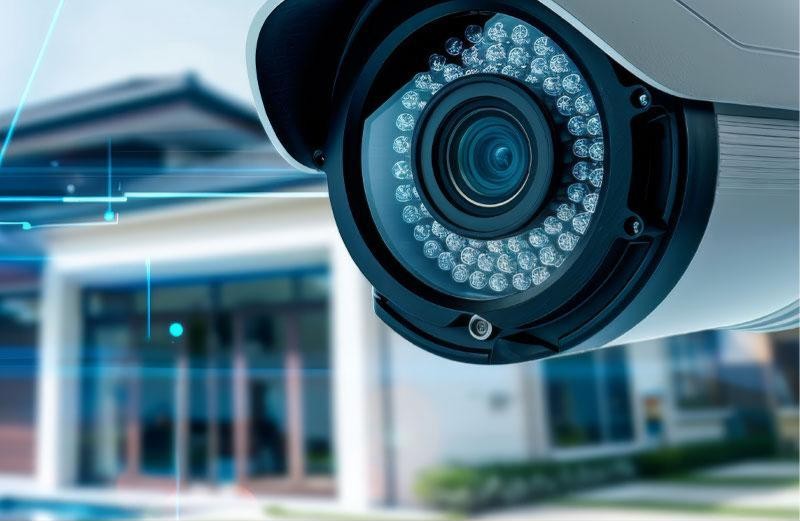
It is tempting to think that more cameras mean more security. But a camera only protects what it can clearly see, and small placement errors quietly undermine that: a lens aimed too high captures the tops of heads, a backlit doorway washes out every face, and an overlooked corner becomes an open invitation. Getting security camera placement for business right is what separates a system that records from one that actually protects. This guide covers the nine placement mistakes that most often leave businesses exposed, and how to spot them on your own property.
People Also Ask
How many cameras does a business actually need?
There is no fixed number; the right count depends on your layout and risk areas, so a strong commercial camera coverage strategy favors better placement over simply adding more cameras.
Where are the most common blind spots in a business?
CCTV blind spots most often appear at blind corners, transition areas, parking lots, and poorly lit exterior zones, which is exactly where supplemental cameras are used to close the gaps.
Why Camera Placement Matters More Than Camera Count
Adding more cameras does not automatically make a facility more secure. Effective security camera placement for business depends on selecting and positioning each camera to capture usable footage of high-risk areas. A sound commercial camera coverage strategy starts there, not with a hardware count. Cobalt FTS selects and places the right cameras for each spot to ensure reliable coverage, and uses supplemental cameras specifically to eliminate blind spots.
Mistakes 1–3: Entry Points, Blind Corners, and Backlighting Errors
1. Under-covering entry and exit points: Entrances are where identity and access decisions happen, yet they often fall under a single wide shot. License plate recognition cameras belong at main entry and exit areas, where they capture plates accurately in any lighting or speed conditions and can connect with gate operators and investigations. Treat every controlled entry as a priority zone in your security camera placement, not an afterthought.
2. Leaving blind corners uncovered: CCTV blind spots are exactly what an intruder looks for. Because supplemental cameras exist specifically to eliminate blind spots and improve visibility, mapping and closing corners, alcoves, and transition areas is one of the highest-value placement decisions you can make.
3. Ignoring backlighting and harsh light: A camera pointed into bright light can wash out the very subject you need to see. Cameras with wide dynamic range, infrared, or thermal functions capture footage in challenging lighting or environments, so matching the camera to the light condition, not just the location, is essential at doorways and windows.
Mistakes 4–6: Mounting Height, Coverage Overlap, and Parking Lot Gaps
4. Over-installing cameras instead of matching the count to your facility: More units do not equal better coverage. The right number depends on square footage, ceiling height, and the number of entry points, as well as whether outdoor or dock areas need monitoring. A sound commercial camera coverage strategy matches camera count to the facility during a site assessment, closing gaps without over-installing equipment.
5. Planning cameras without planning storage and access: Placement is only part of the design. Cobalt FTS maps camera placement, storage needs, and access permissions together, so footage is retained the way you need it and the right people can reach it. Treating storage and permissions as an afterthought leaves a system that captures video but cannot support it.
6. Gaps in parking lots and outer areas: Large exterior areas are easy to under-cover. Wide-angle cameras designed for large open environments, combined with low-light-capable cameras and license plate recognition positioned at main entry and exit points, close the CCTV blind spots that yards and parking areas typically leave open.
Mistakes 7–9: Interior Chokepoints, Poor Lighting Planning, and Privacy Zone Oversights
7. Leaving cameras disconnected from access control: Cameras that operate in isolation miss half their value. When video surveillance ties into access control and alarms, an access event can pull up the related camera feed, letting your team confirm who entered a space in real time instead of reviewing footage later. Skipping that integration is a common, costly oversight.
8. Ignoring lighting and environmental conditions: A camera that cannot handle its lighting produces footage you cannot use. Cameras with infrared, thermal, or wide dynamic range functions capture footage in challenging lighting or environments, so matching the camera to the conditions, not just the location, keeps footage usable day and night.
9. Overlooking privacy and sensitive zones: Some areas require deliberate handling. In settings such as healthcare, systems must strengthen safety while keeping sensitive areas protected and upholding privacy requirements. Placement planning should account for those boundaries intentionally, not by accident.
Quick Placement Audit Checklist for Facility Managers
- Main entry and exit points have dedicated coverage, with license plate recognition at vehicle entry points.
- Identify known blind spots and close them with supplemental cameras.
- Areas with challenging lighting use infrared, thermal, or wide dynamic range cameras.
- Large open areas such as fields, courts, or yards use wide-angle cameras.
- Camera count matches square footage, ceiling height, and entry points, without over-installing.
- During a site assessment, Cobalt FTS maps camera placement, storage needs, and access permissions together.
- Video ties into access control so an access event pulls up the related feed.
- Sensitive and privacy-restricted areas are handled deliberately.
When to Bring in a Professional for a Site Survey
If closing these gaps means guessing at camera types and coverage, that is the point to bring in a professional for your business security camera placement. Cobalt FTS handles the full process in-house, from initial site assessment to final walkthrough, selecting and placing the ideal cameras for each spot and fine-tuning coverage for better visibility, often reusing existing cabling to keep upgrades cost-effective. Placement is one part of a larger system design. Video surveillance for business: the complete guide to choosing, deploying, and managing a commercial video surveillance system covers how cameras, recording, storage, and software work together end to end.
Since 1998, Cobalt FTS has delivered access control, video surveillance, and intrusion detection throughout North Texas.
Ready for a professional set of eyes on your coverage? Contact Cobalt FTS to schedule a site survey and eliminate blind spots that leave your business exposed.
FAQs
Where are the most common blind spots in a business?
CCTV blind spots most often appear where coverage is thin or lighting is poor, which is exactly where supplemental cameras are used to close the gaps.