Why High-Compliance Facilities Invest in Motion Detection Security Systems to Reduce False Alarms
May 29, 2026
Healthcare campuses, government buildings, warehouses, and data centers operate under strict security standards. These facilities manage sensitive assets, restricted areas, and high daily traffic. Security teams must respond quickly to real threats without wasting time on unnecessary alerts.
False alarms create operational problems. Repeated alerts can delay response times and overwhelm security personnel. They may also interrupt workflows and increase monitoring costs. This is one reason many organizations invest in advanced motion detection security systems designed for commercial environments.
Modern systems use intelligent analytics and integrated monitoring tools. These technologies help security teams verify events before escalation occurs. Facilities can maintain stronger situational awareness while reducing alert fatigue.
How Do Motion Detection Security Systems Reduce False Alarms?
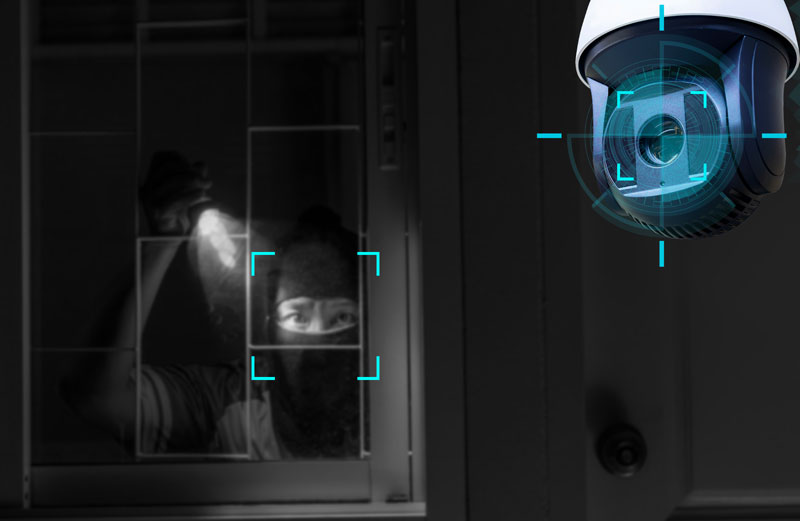
Traditional detection systems often trigger alarms from environmental movement. Changes in lighting, weather conditions, or non-threatening activity can create repeated alerts. Modern motion detection security systems use AI-enabled analytics to improve detection accuracy.
These systems can distinguish between routine movement and suspicious activity. Security operators receive more meaningful alerts and better visual verification. This improves decision-making during active incidents.
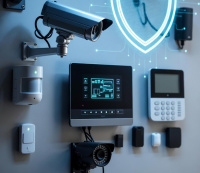
Commercial facilities also benefit from integrated monitoring environments. Motion detection tools can work alongside:
- CCTV and video surveillance systems
- Access control and card readers
- AI-enabled video analytics
- License plate recognition technology
This layered approach supports stronger commercial intrusion detection while reducing unnecessary disruptions.
Why Is Integration Important for Commercial Security Operations?
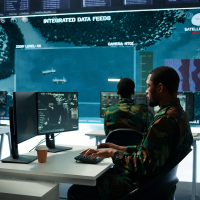
Many facilities no longer rely on standalone alarm systems. Integrated security infrastructure provides centralized visibility across multiple technologies. Security teams can monitor access events, surveillance feeds, and intrusion alerts through one operational platform.
This “one pane of glass” approach improves response coordination. Operators can quickly review video footage when motion alerts occur. They can also verify whether authorized personnel accessed restricted areas before escalating incidents.
For facilities managing large campuses or multiple buildings, centralized integration supports faster investigations and better operational efficiency. It also strengthens long-term reporting and compliance management.
Organizations investing in commercial intrusion detection often prioritize platforms that support future expansion and evolving security requirements.
Which Facilities Benefit Most From Advanced Motion Detection?
High-compliance industries face unique operational risks. Security infrastructure must support both safety and regulatory requirements.
Facilities commonly investing in advanced motion detection security systems include:
- Healthcare facilities managing patient-sensitive environments
- K-12 campuses requiring monitored access control
- Data centers protecting critical infrastructure
- Manufacturing plants with restricted operational zones
- Warehousing operations handling valuable inventory
- Government facilities requiring layered physical security
These environments require dependable monitoring with minimal operational interruptions.
How Does Intrusion Detection Support Faster Security Response?
Speed matters during security incidents. Delayed responses can increase operational and financial risks. Advanced intrusion detection systems improve response times by providing verified event data.
When suspicious activity occurs, operators can review connected surveillance feeds immediately. Access control records and motion alerts appear together within the monitoring dashboard. This helps teams determine whether incidents involve authorized personnel or potential threats.
Organizations seeking intrusion detection in Dallas often prioritize systems designed for continuous monitoring and long-term scalability. Facilities benefit from security environments built around operational reliability instead of isolated hardware deployments.
Why Do Long-Term Security Partnerships Matter?
Commercial security systems require ongoing maintenance and technical support. Facilities operating around the clock cannot afford inconsistent monitoring or outdated infrastructure.
Experienced integrators help organizations evaluate risks, design security strategies, and maintain system performance over time. Long-term support also helps facilities adapt to changing operational requirements and compliance expectations.
Cobalt FTS delivers integrated security solutions designed for commercial and campus environments. The company supports organizations with consulting, system integration, installation, and ongoing service for modern physical security operations.
How Can Facilities Strengthen Security While Reducing Operational Disruptions?
False alarms continue to challenge commercial security operations. Advanced motion detection security systems help facilities improve monitoring accuracy while reducing unnecessary alerts.
Integrated technologies create stronger visibility across access control, surveillance, and intrusion monitoring systems. This approach supports faster response times, improved operational efficiency, and better long-term security management.
Cobalt FTS helps commercial facilities build integrated security environments that support reliable monitoring, scalable infrastructure, and stronger situational awareness.