Skip to content
How Dallas Healthcare Facilities Evaluate Providers of Integrated Security and Surveillance Systems
June 15, 2026
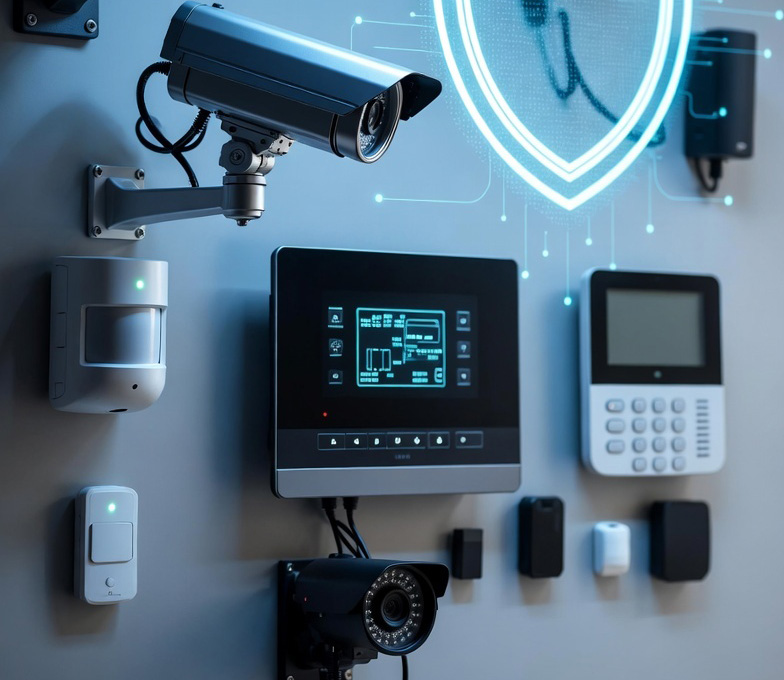
Fragmented security infrastructure creates dangerous blind spots across the expansive medical campuses that define Dallas healthcare. When access control, video surveillance, and intrusion detection operate as disconnected systems, security leaders lose the unified situational awareness that modern patient care environments demand.
Converging these layers requires vendor-agnostic architecture rather than proprietary hardware that locks facilities into a single manufacturer’s roadmap. For facility security directors and procurement officers evaluating the top integrated security system providers in Dallas, the selection process must go beyond product specifications. Partners must demonstrate deep familiarity with patient privacy regulations, regional permitting processes, and the operational complexity of multi-building hospital networks. Careful evaluation at the outset prevents costly remediation later and ensures the chosen integrator can scale alongside a growing health system.
The Value of Local Expertise and Integrated Security Delivery
North Texas medical centers operate across sprawling campuses where incident response time directly affects patient and staff safety outcomes. Local teams provide a meaningful advantage here, arriving on-site faster than nationally dispatched technicians and maintaining familiarity with each facility’s layout and access topology.
Regional integrators who work consistently within the Dallas healthcare market understand the logistical challenges unique to multi-tower hospital networks, including elevator integration, parking structure coverage, and emergency department access control. That localized knowledge shortens deployment timelines and reduces coordination friction during phased rollouts.
Equally important is the use of internal technicians rather than outsourced labor. Facilities that have relied on subcontracted installation crews frequently encounter inconsistent workmanship and accountability gaps that surface only after commissioning. Integrators who deploy their own certified staff deliver measurably higher installation quality and clearer lines of responsibility when issues arise post-deployment.
Healthcare Compliance and Security System Design Considerations
Healthcare environments carry compliance obligations that distinguish them from every other commercial sector. Zone-based camera strategies are essential for balancing physical safety requirements against strict patient privacy obligations under federal and state frameworks. Placement decisions in clinical areas, patient rooms, and treatment corridors must align with documented retention policies and role-based access controls that limit who can retrieve or review recorded footage.
Security leaders evaluating the top integrated security system providers in Dallas should prioritize integrators who demonstrate direct experience navigating healthcare-specific permitting processes and who can articulate how their system architecture supports audit-ready documentation. Providers who treat compliance as an afterthought rather than a design input introduce regulatory exposure that facility administrators cannot afford. The right partner brings compliance fluency into the initial site assessment, not as a checklist item at project close.
Selecting the Top Integrated Security System Providers in Dallas for Support
Long-term system reliability depends on proactive maintenance disciplines that prevent silent failures across converged security deployments. Camera feeds that degrade gradually, access readers that intermittently fail, and network switches that operate near capacity are all vulnerabilities that reactive support models miss entirely.
Providers who offer structured preventive maintenance programs, remote health monitoring, and defined service-level commitments give Dallas healthcare facilities the operational continuity their environments require. Factory acceptance testing is another critical differentiator, verifying that equipment performs to specification before it ever reaches the installation site and reducing the risk of field-discovered defects that delay go-live timelines.
Procurement officers and facility managers comparing providers should request a tailored quote that reflects the specific scale, compliance requirements, and support expectations of their organization. A detailed proposal reveals how thoroughly a provider has engaged with the facility’s actual operational context, and that depth of engagement is itself a reliable indicator of long-term partnership quality.