Skip to content

How Intrusion Alarm Systems Protect Commercial Buildings After Hours
November 22, 2026
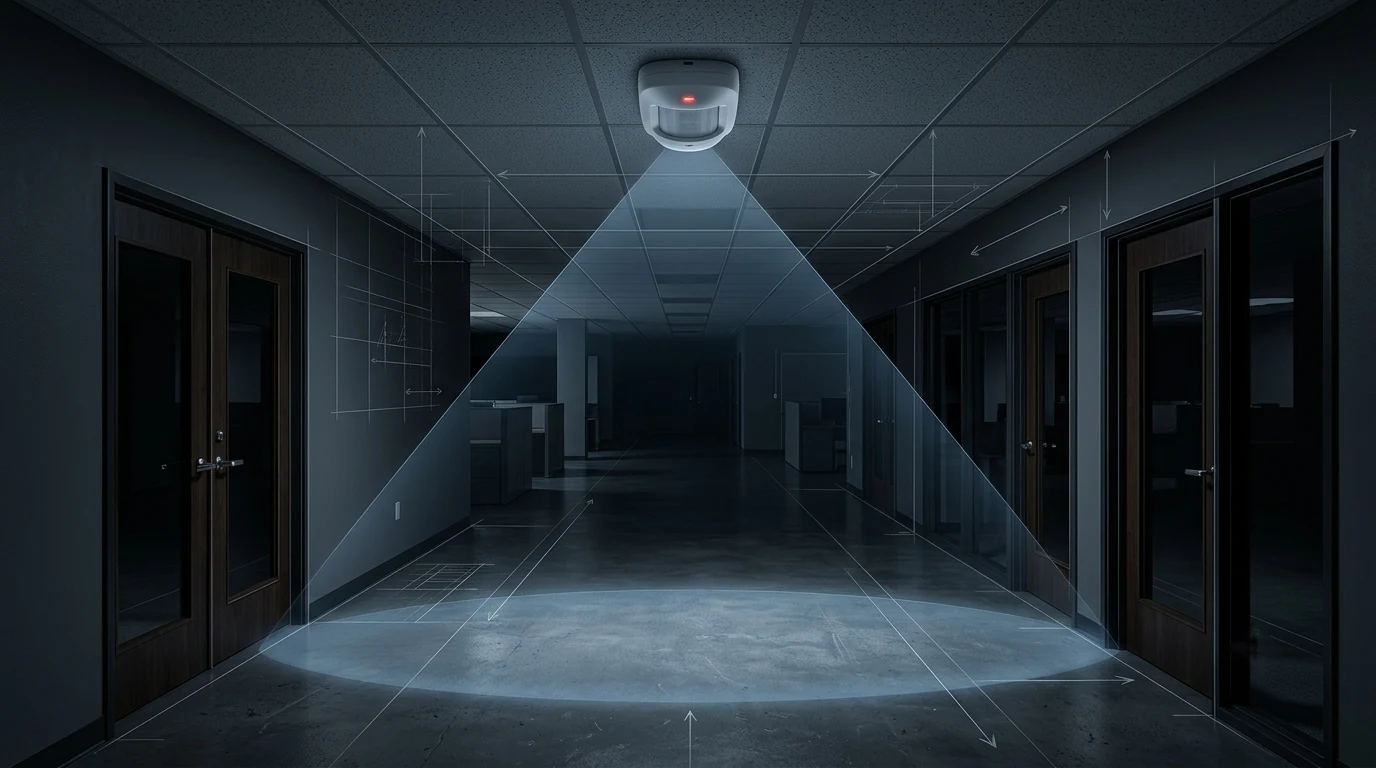
Every business eventually turns the lights off and walks away, trusting that whatever is left behind will still be there in the morning. For most of the day, that trust rests on people: staff, visitors, deliveries, someone noticing if something looks wrong. After hours, it rests entirely on the building’s own systems. Cobalt FTS has spent years designing systems for Dallas-Fort Worth facilities that can’t afford to learn the hard way what happens in the gap between closing time and sunrise. This guide walks through how intrusion alarm systems cover that gap, from the sensors that detect threats to what happens the moment one trips.
People Also Ask
What is the most common way intruders enter commercial buildings after hours?
Ground-floor windows and loading dock doors are the most common entry points once a building is closed.
Do motion sensors work if a door was left unlocked by mistake?
Yes, motion sensors detect movement inside a space regardless of how someone got in, including through an unlocked door.
Why After-Hours Protection Depends on More Than Door Locks
A locked door only stops someone willing to be stopped by a lock. Once a building empties out for the night, door and window sensors, glass-break detection, and motion sensor alarms are what actually notice an intrusion attempt, not the deadbolt itself. After-hours commercial security depends on that layer catching an event the moment it happens, not the next morning when someone finds a broken window.
How Door Contacts and Motion Sensors Detect Unauthorized Entry
Door and window sensors use a magnetic contact split across the frame and the moving part, so separating the two pieces, by opening the door or prying the window, breaks the circuit and triggers an alert. Motion sensor alarms, whether infrared or microwave, cover the interior space behind that first layer, catching movement if someone gets past a door or window without tripping the contact sensor directly.
Together, these two sensor types create a layered response. A door contact flags the entry point itself, while a motion detector confirms whether someone is actually moving through the building rather than a door being jostled by wind or a delivery left overnight.
Glass-Break Detection and Perimeter Coverage for Ground-Floor Risk
Ground-floor storefronts and loading areas carry more risk than upper floors simply because a window is often the easier way in. This sensor type listens for the specific acoustic signature of breaking glass, triggering an alert faster than waiting for a motion sensor to pick up movement once someone is already inside. Perimeter sensors extend that coverage further out, flagging attempts to climb a fence or cut through a gate before an intruder reaches the building.
What Happens When an Intrusion Alarm Triggers
A triggered sensor sends a signal to the control panel, which then sounds a local alarm, sends a notification, or both, depending on configuration. From there, a monitored setup routes the alert to a monitoring center, while a self-monitored setup notifies a designated staff member directly. Either way, the goal is turning a tripped sensor into a confirmed event fast enough to matter.
Connecting Intrusion Alarms to Video Surveillance for Faster Response
An intrusion alarm on its own tells a facility manager that something tripped a sensor, but not what actually happened. Connecting that alarm to video surveillance means a triggered sensor pulls up footage from the exact door or zone involved, giving a monitoring center or responding officer a clearer picture before anyone arrives. That pairing also makes it possible to quickly rule out a false alarm, such as a delivery left against a side door, rather than escalating every trigger the same way.
Building an After-Hours Security Plan for Your Facility
These sensor types work best layered together, matched to how a building actually empties out at night: door contacts at every opening, glass-break sensors at ground-floor windows, motion coverage inside, and perimeter sensors wherever the property line needs watching. Get that layering right, and a triggered sensor stops being a guess and starts being an answer.
Cobalt FTS builds that same layered approach into the intrusion alarm systems it installs across Dallas-Fort Worth, tailored to how each building actually operates after the lights go off. For the full picture of what belongs in a security alarm system for business, see What Every Dallas-Fort Worth Business Should Know Before Buying a Commercial Alarm System.
If you’re not sure your current setup actually covers your building’s after-hours risk, contact Cobalt FTS to schedule a site assessment and get a clear picture of where things stand.
Frequently Asked Questions
How fast does a monitoring center respond once an intrusion alarm triggers?
Response timing depends on the verification method in use, but a properly configured monitoring arrangement confirms and escalates a real event quickly after the sensor trips.
Do these sensors need a professional installation, or can they be self-installed?
Commercial-grade door and window contacts typically benefit from professional installation to ensure correct placement, wiring, and integration with the rest of the alarm system.