Skip to content
How Video Surveillance Systems Protect High-Security Facilities
May 26, 2026
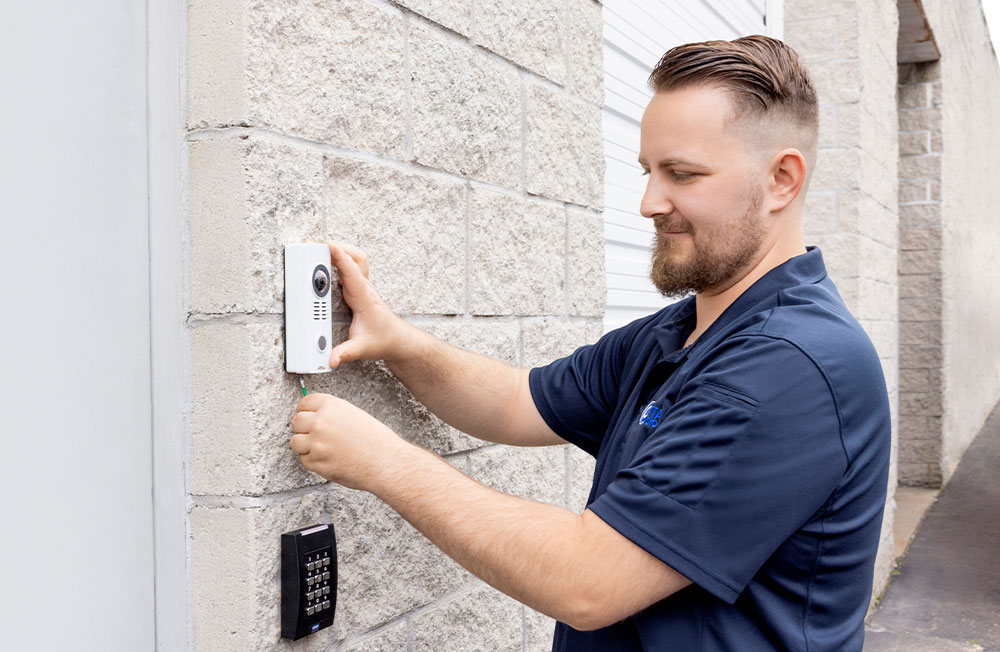
High-security facilities face constant operational and security challenges. Healthcare campuses, data centers, manufacturing plants, government facilities, and educational institutions manage large properties, restricted zones, and continuous activity. These environments require more than basic cameras mounted on walls.
Modern video surveillance systems help security teams monitor activity, verify incidents, and improve response coordination. The goal is not simply recording footage. Effective surveillance supports situational awareness, operational continuity, and faster decision-making during security events.
Facilities with multiple buildings or departments often struggle with disconnected technologies. Cameras, access control systems, alarms, and visitor management platforms may operate independently. This creates blind spots and slows incident response.
Integrated surveillance platforms reduce these challenges. Security personnel can monitor multiple systems from a centralized dashboard instead of switching between separate applications. This approach improves visibility across the entire property.
Organizations managing critical infrastructure also face growing concerns about unauthorized access, theft, vandalism, and internal security risks. Video surveillance installation services help facilities deploy systems that match operational requirements instead of relying on generic hardware setups.
How Do Video Surveillance Systems Improve Facility Visibility?
Large facilities generate constant movement throughout the day. Employees, contractors, visitors, vendors, and delivery personnel enter and exit different areas continuously. Monitoring these activities manually becomes difficult without centralized surveillance tools.
Modern video surveillance systems provide continuous monitoring across entrances, loading docks, hallways, parking areas, server rooms, and restricted locations. Security teams gain access to real-time footage and historical recordings from one interface.
AI-enabled analytics also improve monitoring capabilities. Cameras can identify unusual movement patterns, unauthorized access attempts, or activity after operational hours. These tools support security personnel without replacing human oversight.
Many organizations also integrate surveillance with access control systems. When a badge reader grants or denies entry, the associated camera footage becomes immediately available. This allows operators to verify events quickly and investigate incidents more efficiently.
Facilities with multiple locations benefit from centralized visibility as well. Security administrators can oversee several sites from one platform while maintaining consistent policies across all operations.
What Risks Can CCTV Surveillance Systems Help Reduce?
Security risks vary depending on the facility type. Manufacturing facilities may prioritize perimeter monitoring and inventory protection. Healthcare organizations often focus on patient safety and restricted access management. Data centers require constant monitoring around sensitive infrastructure.
Properly designed CCTV surveillance systems help reduce several operational and physical security risks, including:
- Unauthorized access to restricted areas
- Theft and property damage
- Workplace violence incidents
- Tailgating and credential misuse
- Parking lot and perimeter security gaps
- Vandalism and trespassing
- Delayed emergency response coordination
Video evidence also supports investigations after incidents occur. Recorded footage helps organizations review timelines, validate events, and improve future security planning.
However, more cameras alone do not automatically improve protection. Camera placement, analytics configuration, lighting conditions, and integration with other security systems all influence performance. Poorly designed deployments may create coverage gaps or overwhelm operators with unnecessary alerts.
This is why many organizations rely on experienced security integrators instead of isolated hardware installations.
Why Is System Integration Important for High-Security Environments?
Many facilities operate with security technologies installed at different times by different vendors. Over time, this creates disconnected platforms that complicate operations.
Integrated video surveillance systems allow multiple technologies to work together through a unified platform. Cameras, card readers, intrusion detection devices, intercoms, and visitor management systems can share information in real time.
This “one pane of glass” approach improves incident coordination. Operators can review access events, alarms, and camera footage from a centralized dashboard instead of managing separate systems.
Integration also helps reduce operational inefficiencies. Security teams spend less time switching between applications and more time responding to active situations.
For example, if a door remains open too long after hours, the system can automatically display nearby camera feeds. Operators can immediately review the event without manually searching for footage.
Integrated platforms also support long-term scalability. Facilities can expand surveillance coverage or add new technologies without rebuilding the entire security infrastructure.
How Do Video Surveillance Installation Services Support Long-Term Performance?
Security systems require careful planning before installation begins. Every facility has unique operational needs, physical layouts, compliance requirements, and risk priorities.
Professional video surveillance installation services focus on system design, infrastructure compatibility, camera positioning, network considerations, and future expansion planning. This process helps facilities avoid common deployment issues.
Several factors influence surveillance performance:
- Lighting conditions inside and outside the facility
- Network bandwidth and storage capacity
- Camera resolution and field of view
- Integration with existing access control systems
- Environmental conditions and equipment durability
- Retention requirements for recorded footage
Facilities with legacy infrastructure often face additional challenges. Older systems may not fully support newer analytics platforms or cloud-connected technologies. Integrators evaluate compatibility before upgrades occur to reduce operational disruptions.
Long-term support also matters. Surveillance systems require software updates, camera maintenance, analytics tuning, and periodic performance reviews. Ongoing support helps reduce silent failures that may otherwise go unnoticed until an incident occurs.
How Do High-Security Facilities Use AI-Enabled Video Analytics?
AI-enabled surveillance tools continue to expand across healthcare, education, manufacturing, and logistics environments. These analytics improve monitoring efficiency by identifying patterns and highlighting events that require human review.
Video analytics can support several operational functions, including perimeter monitoring, occupancy tracking, line crossing alerts, and unusual activity detection.
For example, a manufacturing facility may use analytics to monitor restricted production zones after operational hours. A healthcare campus may use surveillance analytics to identify unauthorized access near pharmaceutical storage areas.
Educational facilities often use analytics to monitor entrances, parking lots, and visitor traffic patterns. Warehousing operations may focus on loading dock activity and perimeter security.
AI tools should support operators instead of replacing them. Human oversight remains essential for evaluating incidents, validating alerts, and determining the appropriate response.
Facilities also benefit when analytics integrate with other systems. Surveillance alerts connected to access control events provide additional context during investigations or emergency situations.
What Challenges Do Multi-Site Facilities Face With Surveillance Management?
Organizations operating across multiple locations often face inconsistent security standards. Different facilities may use separate camera platforms, recording systems, or monitoring procedures.
This fragmentation creates operational inefficiencies and limits visibility across the organization.
Centralized video surveillance systems help standardize monitoring practices across multiple sites. Security administrators can manage permissions, review footage, and monitor alerts from a unified platform.
Healthcare systems, school districts, government agencies, and logistics operations commonly benefit from centralized management strategies.
Multi-site environments also require scalable infrastructure. Surveillance platforms must support future expansion without creating unnecessary operational complexity.
Key considerations for multi-site surveillance include:
- Centralized monitoring capabilities
- Consistent access permissions
- Standardized reporting workflows
- Scalable storage management
- Network reliability between facilities
- Cybersecurity protections for connected systems
Facilities should also evaluate long-term operational costs when planning expansions. A scalable platform reduces the need for repeated system replacements as operations grow.
Why Does Ongoing Maintenance Matter for Surveillance Systems?
Security systems require continuous oversight after deployment. Cameras, servers, storage devices, and network connections can experience failures over time.
Without regular maintenance, facilities may discover missing footage or non-functional cameras during critical incidents.
Routine inspections help identify performance issues before they affect operations. Maintenance teams review recording quality, storage health, analytics performance, and camera positioning regularly.
Software updates also remain important. Surveillance platforms connected to broader networks require cybersecurity monitoring and patch management to reduce vulnerabilities.
Organizations managing critical infrastructure often prioritize lifecycle support because operational continuity directly affects safety and compliance.
Facilities should also evaluate how vendors handle support requests, system documentation, and long-term service planning. Reliable support improves system performance throughout the entire lifecycle.
How Can Organizations Build More Resilient Security Operations?
High-security facilities require more than isolated devices and reactive monitoring strategies. Effective protection depends on coordination across surveillance, access control, analytics, and operational workflows.
Integrated video surveillance systems help organizations improve visibility, reduce response delays, and support informed decision-making during security events.
Long-term success also depends on thoughtful planning, scalable infrastructure, and ongoing support. Facilities that approach surveillance as part of a broader operational strategy often achieve stronger results than organizations focused only on hardware expansion.
Cobalt FTS provides integrated security solutions for healthcare, education, manufacturing, government, warehousing, and critical infrastructure environments across Texas. Contact Cobalt FTS to discuss video surveillance installation services designed for complex security operations.